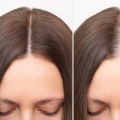
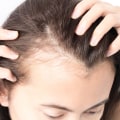
Hair loss is a common problem that affects millions of people worldwide. It can be caused by a variety of factors, including genetics, hormonal imbalances, and certain medical conditions. While there are many treatments available for hair loss, one often overlooked aspect is nutrition. As an expert in the field of hair health, I have seen firsthand the impact that proper nutrition can have on preventing hair loss.
The Connection Between Nutrition and Hair Loss
Our hair is made up of a protein called keratin, which is produced by the hair follicles. Our hair is made up of a protein called keratin, which is produced by the hair follicles.These follicles require a steady supply of nutrients to function properly and produce healthy hair. When our bodies are lacking in essential vitamins and minerals, it can lead to weakened hair follicles and ultimately, hair loss. One of the most important nutrients for hair health is iron. Iron helps to carry oxygen to the hair follicles, promoting healthy growth. A deficiency in iron can lead to anemia, which has been linked to hair loss.
It is important to include iron-rich foods in your diet such as lean meats, leafy greens, and legumes.Vitamin DVitamin D is another crucial nutrient for maintaining healthy hair. Studies have shown that low levels of vitamin D are associated with hair loss. This vitamin helps to create new hair follicles and may even help to activate dormant ones. You can increase your vitamin D intake by spending time in the sun or by consuming foods such as fatty fish, eggs, and fortified dairy products.
The Impact of Nutritional Deficiencies on Hair Loss
In addition to iron and vitamin D, there are several other nutrients that play a role in preventing hair loss.These include vitamin A, vitamin Cvitamin C, biotin, and zinc. A deficiency in any of these nutrients can lead to weakened hair follicles and ultimately, hair loss. Vitamin A is essential for the production of sebum, which is the natural oil that keeps our scalp and hair moisturized. Without enough vitamin A, our scalp can become dry and flaky, leading to hair breakage and loss. Foods rich in vitamin A include sweet potatoes, carrots, and leafy greens. Vitamin C is a powerful antioxidant that helps to protect our hair follicles from damage.
It also plays a role in the production of collagen, which is an important structural protein for healthy hair. Citrus fruits, berries, and bell peppers are all excellent sources of vitamin C.Biotin, also known as vitamin B7, is often referred to as the "hair growth vitamin." It helps to strengthen the hair shaft and promote healthy growth. Biotin deficiencies are rare, but when they do occur, they can lead to hair thinning and loss. Foods rich in biotin include eggs, nuts, and whole grains. Zinc is another important mineral for maintaining healthy hair.
It helps to regulate oil production on the scalp and may even help to prevent dandruff. Zinc deficiencies have been linked to hair loss, so it is important to include zinc-rich foods in your diet such as oysters, beef, and pumpkin seeds.
The Importance of a Balanced Diet
While it is important to focus on specific nutrients for preventing hair loss, it is equally important to maintain a well-balanced diet overall. Our bodies require a variety of vitamins, minerals, and other nutrients to function properly. When we are lacking in certain nutrients, it can have a domino effect on our overall health, including our hair. In addition to the nutrients mentioned above, it is important to consume a diet rich in protein, healthy fats, and complex carbohydrates.Protein is the building block of our hair, so it is essential for maintaining strong and healthy strands. Healthy fats, such as those found in avocados and salmon, help to keep our scalp and hair moisturized. And complex carbohydrates provide our bodies with the energy needed to support healthy hair growth.
The Role of Supplements
In some cases, it may be difficult to get all of the necessary nutrients for preventing hair loss through diet alone. This is where supplements can play a role.There are many supplements on the market that claim to promote hair growth, but it is important to do your research and consult with a healthcare professional before adding any new supplements to your routine. Some supplements that have shown promise in preventing hair loss include saw palmetto, collagen, and omega-3 fatty acids. Saw palmetto is an herb that may help to block the production of DHT, a hormone that has been linked to hair loss. Collagen is a protein that helps to strengthen the hair shaft and promote healthy growth. And omega-3 fatty acids are essential for maintaining a healthy scalp and promoting hair growth.
In Conclusion
Nutrition plays a crucial role in preventing hair loss.By ensuring that we are consuming a well-balanced diet rich in essential vitamins, minerals, and other nutrients, we can support the health of our hair follicles and promote healthy hair growth. In addition to proper nutrition, it is also important to manage stress levels, avoid harsh hair treatments, and maintain good scalp hygiene for optimal hair health.