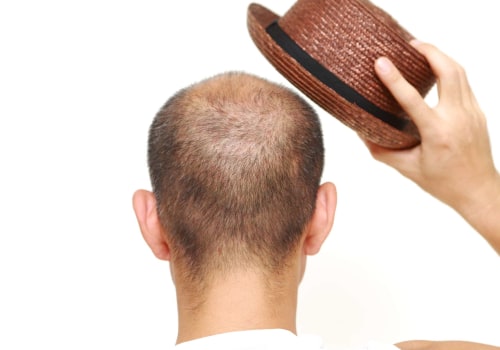
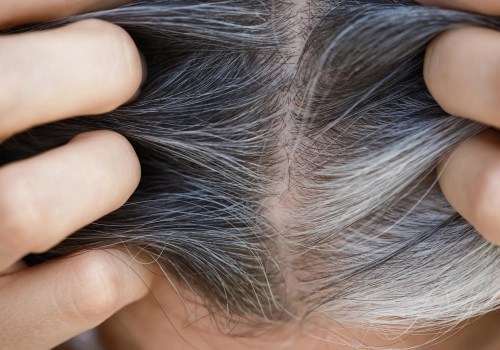
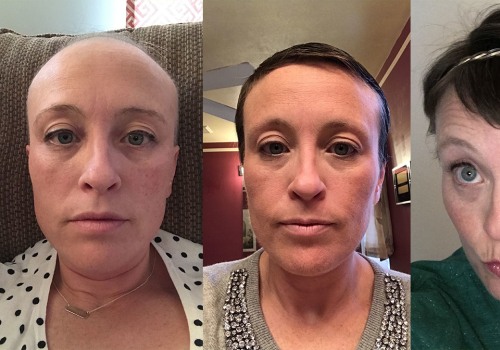
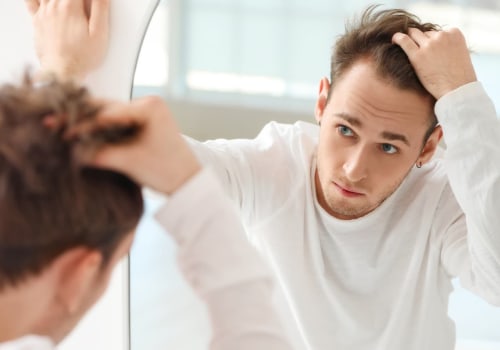
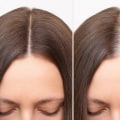
Hair loss is a common concern for many women, affecting approximately 40% of women by the age of 50. While it is often associated with aging, hair loss can also occur at any age due to a variety of factors. One of the most significant factors in female hair loss is hormones.
The Basics of Hair Loss
Before delving into the role of hormones in hair loss, it is essential to understand the basics of hair growth and loss. The average person has about 100,000 hairs on their head, and it is normal to lose 50-100 hairs per day.However, when hair loss exceeds this amount, it can be a cause for concern. Hair growth occurs in three phases: anagen, catagen, and telogen. Anagen is the active growth phase where hair follicles produce new hair cells. Catagen is a transitional phase where hair growth stops, and the follicle shrinks. Finally, telogen is the resting phase where the old hair falls out, and new hair begins to grow. When there is an imbalance in this cycle, it can lead to excessive hair loss. However, when hair loss exceeds this amount, it can be a cause for concern. Hair growth occurs in three phases: anagen, catagen, and telogen. Anagen is the active growth phase where hair follicles produce new hair cells. Catagen is a transitional phase where hair growth stops, and the follicle shrinks. Finally, telogen is the resting phase where the old hair falls out, and new hair begins to grow. When there is an imbalance in this cycle, it can lead to excessive hair loss.
This imbalance can be caused by various factors such as genetics, stress, diet, and hormones.
The Role of Hormones in Hair Loss
Hormones play a crucial role in regulating many bodily functions, including hair growth. In women, the most significant hormones involved in hair loss are estrogen and testosterone.Estrogen
is known as the female hormone and is responsible for regulating the menstrual cycle and maintaining reproductive health. It also plays a role in promoting hair growth by extending the anagen phase and delaying the telogen phase. This is why women often experience thicker, fuller hair during pregnancy when estrogen levels are high.Testosterone
is known as the male hormone, but women also have small amounts of it in their bodies.Testosterone is converted into dihydrotestosterone (DHT), which can cause hair follicles to shrink and produce thinner, weaker hair. This process is known as miniaturization and is a common cause of hair loss in both men and women. Other hormones that can contribute to hair loss in women include thyroid hormones, cortisol, and insulin. Thyroid hormones regulate metabolism and can affect hair growth when imbalanced. Cortisol, also known as the stress hormone, can disrupt the hair growth cycle when levels are consistently high.
Insulin, a hormone that regulates blood sugar levels, can also impact hair growth when imbalanced.
Hormonal Imbalances and Hair Loss
When hormones are imbalanced, it can lead to excessive hair loss. One of the most common hormonal imbalances in women is polycystic ovary syndrome (PCOS). PCOS is a condition where the ovaries produce higher than normal levels of male hormones, leading to symptoms such as irregular periods, acne, and hair loss. Another condition that can cause hormonal imbalances and hair loss is menopause. As women age and go through menopause, estrogen levels decrease, while testosterone levels remain the same.This imbalance can lead to thinning hair and even baldness in some cases. Hormonal birth control methods can also cause hair loss in some women. Birth control pills contain synthetic hormones that can disrupt the natural balance of hormones in the body. This disruption can lead to telogen effluvium, a condition where more hairs than usual enter the telogen phase and fall out. This imbalance can lead to thinning hair and even baldness in some cases. Hormonal birth control methods can also cause hair loss in some women. Birth control pills contain synthetic hormones that can disrupt the natural balance of hormones in the body. This disruption can lead to telogen effluvium, a condition where more hairs than usual enter the telogen phase and fall out.
Treating Hormonal Hair Loss
The first step in treating hormonal hair loss is to identify the underlying cause. A thorough evaluation by a healthcare professional can help determine if there is an underlying medical condition causing the hair loss.If a hormonal imbalance is identified, treatment options may include medication, lifestyle changes, and supplements. For women with PCOS, medications such as birth control pills or anti-androgen drugs may be prescribed to regulate hormone levels. Lifestyle changes such as a healthy diet and regular exercise can also help manage PCOS symptoms and promote hair growth. For women going through menopause, hormone replacement therapy (HRT) may be recommended to balance hormone levels and alleviate symptoms such as hair loss. However, HRT is not suitable for everyone and should be discussed with a healthcare professional. Supplements such as biotin, iron, and vitamin D can also help promote hair growth and strengthen existing hair. These supplements can help address any nutritional deficiencies that may be contributing to hair loss. If a hormonal imbalance is identified, treatment options may include medication, lifestyle changes, and supplements. For women with PCOS, medications such as birth control pills or anti-androgen drugs may be prescribed to regulate hormone levels. Lifestyle changes such as a healthy diet and regular exercise can also help manage PCOS symptoms and promote hair growth. For women going through menopause, hormone replacement therapy (HRT) may be recommended to balance hormone levels and alleviate symptoms such as hair loss. However, HRT is not suitable for everyone and should be discussed with a healthcare professional. Supplements such as biotin, iron, and vitamin D can also help promote hair growth and strengthen existing hair. These supplements can help address any nutritional deficiencies that may be contributing to hair loss.
In Conclusion
Hormones play a significant role in female hair loss.Imbalances in estrogen, testosterone, and other hormones can disrupt the natural hair growth cycle and lead to excessive hair loss. Identifying the underlying cause of hormonal imbalances and addressing them through medication, lifestyle changes, and supplements can help manage hair loss and promote healthy hair growth.